
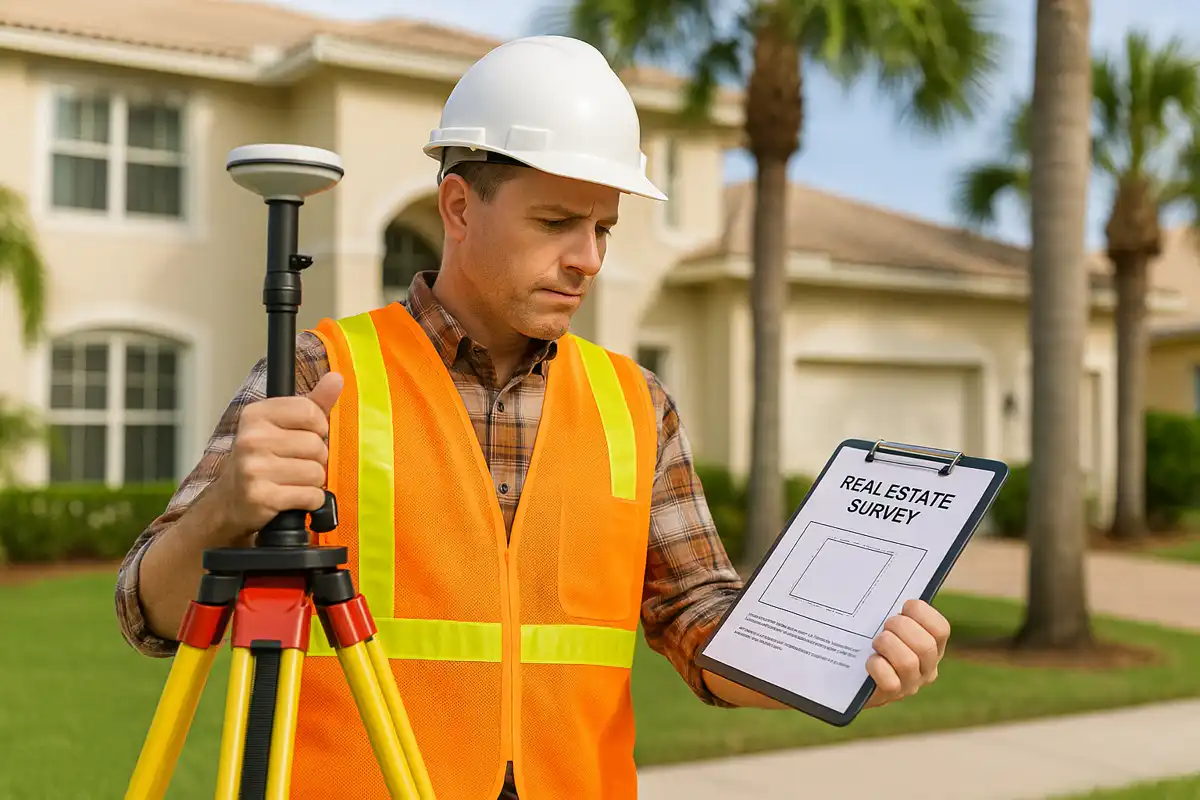
Accurate real estate surveys are one of the most important yet often overlooked parts of any property transaction. Whether buying, selling, or developing real estate in Florida, a professional land survey provides the factual foundation of a deal. Surveys verify property boundaries, identify encroachments, and uncover issues that could impact ownership rights or future construction. Without one, even a well-drafted purchase agreement can leave both parties exposed to risk.
What a Real Estate Survey Includes
A real estate survey defines the physical boundaries of a property and identifies key features such as buildings, fences, easements, and access points. It also documents any encroachments or inconsistencies between what is recorded in public documents and what exists on the ground.
In Florida, surveys often include flood zone designations, easements for utilities, and right-of-way access. These details can affect how a property can be used and whether improvements or renovations are allowed. A precise survey ensures that what’s being sold or purchased matches the legal description in the deed and avoids confusion about what land is truly included in the transaction.
The Role of Surveys in Real Estate Transactions
In commercial and residential transactions alike, real estate surveys are essential for confirming that the property being conveyed aligns with legal and physical realities. Lenders often require an up-to-date survey before approving financing, as it assures that no boundary disputes or encroachments exist that could jeopardize the collateral. For buyers, a survey provides peace of mind that the property lines are accurate and that no structures, such as fences, driveways, or buildings, extend beyond those boundaries. For sellers, it helps prevent claims of misrepresentation or title defects after closing. And for developers, it lays the groundwork for site planning, zoning compliance, and environmental assessments.
Common Problems That Accurate Surveys Prevent
A lack of accurate surveying can lead to significant legal and financial consequences. One of the most common issues is boundary disputes, which occur when neighboring owners disagree over where property lines begin and end. An updated survey provides clear evidence to resolve these conflicts quickly.
Surveys also uncover encroachments, such as when a fence, shed, or driveway crosses onto another property. Without this information, a buyer could unknowingly inherit a problem that later results in litigation or forced removal of structures. Another potential issue is undisclosed easements granted rights for utilities, drainage, or access that may limit how the property can be developed. Identifying these early ensures both parties understand any restrictions before the transaction moves forward.
Florida’s Standards for Real Estate Surveys
In Florida, surveys must comply with standards set by the Florida Board of Professional Surveyors and Mappers. These standards ensure that every survey meets consistent levels of precision and documentation. Licensed surveyors use specialized equipment and coordinate systems to provide reliable boundary data, which becomes part of the property’s permanent record. Because of Florida’s complex geography—coastal boundaries, wetlands, and flood-prone areas—survey accuracy is especially critical. A professional familiar with local regulations and environmental factors can identify issues that affect both land value and permissible use.
When to Order a New Survey
Even if a survey was performed in the past, it may not reflect current conditions. Property lines rarely change, but improvements such as new buildings, fences, or road adjustments can affect the layout. Ordering a new survey before closing provides the most current information, ensuring that no changes have occurred that could impact ownership or use. Lenders, title companies, and attorneys typically recommend new surveys whenever a property changes hands, is refinanced, or undergoes major development. The relatively small cost of obtaining a survey can prevent far greater expenses from disputes or title complications later.
How a Lawyer Helps with Real Estate Surveys
An experienced real estate attorney ensures that survey results are properly reviewed and reflected in the transaction documents. They interpret the technical details, explain potential red flags, and coordinate with surveyors, title companies, and lenders. If discrepancies are discovered, an attorney can negotiate resolutions before closing, helping clients avoid costly surprises. Attorneys also ensure that survey exceptions are properly listed in title policies, protecting buyers and lenders from future claims. By integrating survey review into due diligence, lawyers help maintain smooth, legally sound closings.
Contact Us
At Kleiner Law Group, we help property owners, investors, and developers navigate every stage of a Florida real estate transaction, including reviewing and resolving survey-related issues. Our team ensures your deal proceeds with clarity and confidence, protecting against disputes that could threaten ownership rights or delay closing. For professional guidance on real estate surveys and other due diligence matters, call us today at 305-517-1392.
