
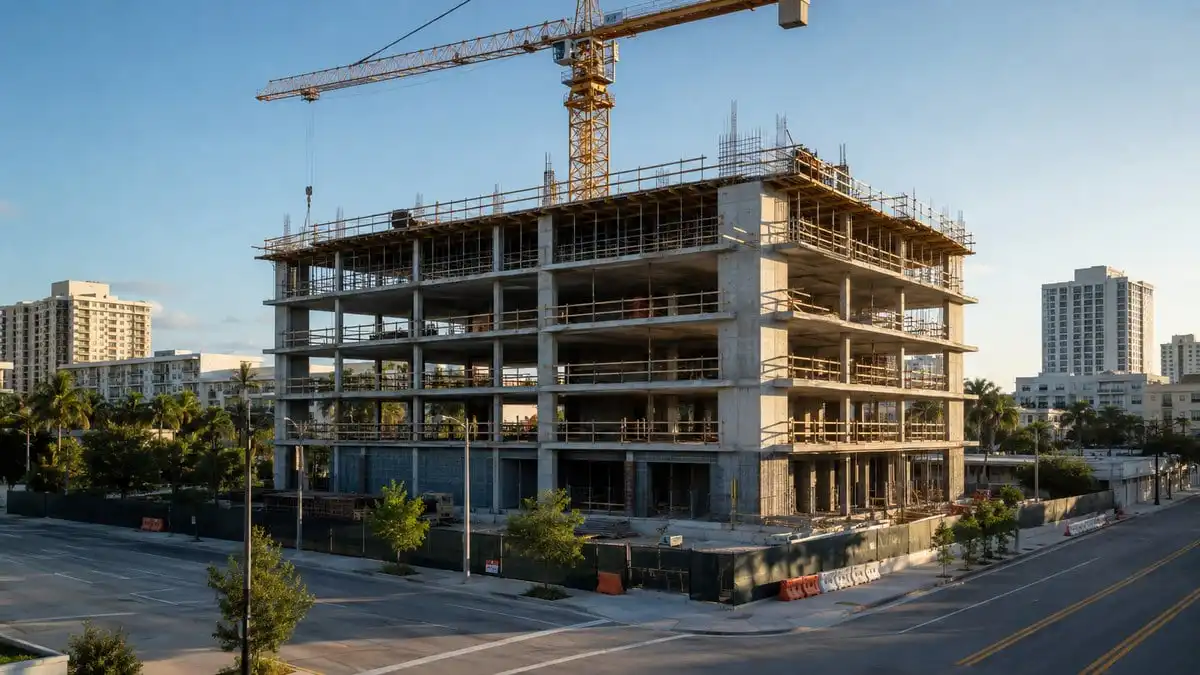
If you have chased a development site in Miami-Dade lately, you have probably met a landowner who will not sell. Airport and port parcels, city-owned land, institutional holdings, and family corners that have carried the same name for three generations tend to stay right where they are. What those owners will often do instead is lease you the dirt for fifty years and let you build on it.
That structure is a ground lease, and it behaves less like a lease than like a slow-motion sale with conditions attached. It can work well for both sides. It can also hand one side a problem that does not surface until year twenty, or until a lender reads the document and says no.
A Ground Lease Is Not Just a Longer Commercial Lease
In a conventional space lease, the landlord delivers a building and the tenant occupies part of it. In a ground lease, the landowner delivers land and you build the improvements at your own cost. You carry the taxes, insurance, maintenance, capital repairs, and code compliance for decades, while the landowner role narrows to collecting rent and enforcing the use, construction, and transfer restrictions written into the document.
That is why these agreements read more like a purchase than a lease. You are allocating construction risk, entitlement risk, casualty risk, and financing risk across a building that will outlast everyone signing. Most parties record a short memorandum of the lease in the county official records so the leasehold appears in the chain of title while the business terms stay private. Set next to the day-to-day terms in a standard commercial lease, almost every provision here carries more weight.
Term Length, Rent, and How the Rent Moves
Florida ground lease terms commonly run between forty and ninety-nine years, usually a base term with extension options. The length is not arbitrary. It has to outrun the construction loan and leave enough runway that the leasehold can still be financed or sold partway through. A leasehold with fifteen years left is a hard asset to refinance and a harder one to sell, so the tail of the term quietly drives value the whole way.
Rent usually starts modestly and moves on a schedule: fixed periodic increases, adjustments tied to an inflation index, fair market resets by appraisal every ten or fifteen years, and sometimes a share of project revenue. The resets deserve the most attention, since that is where two reasonable parties end up thousands of dollars a month apart. The lease should say exactly what is being appraised, which is normally the land as if vacant and available for its permitted use, without counting the improvements the tenant paid for. It also needs an appraisal mechanic that settles a disagreement, plus a floor or a ceiling if either side needs predictability.
State and local tax treatment of ground rent has shifted in recent years, and it interacts with how the payment obligations are drafted. That one belongs with your tax advisor before the rent structure is locked in.
Who Owns the Improvements When the Term Ends
This is the provision people skim and later regret. In most ground leases the improvements revert to the landowner at expiration, free of liens and in a defined condition. The tenant builds it, operates it, and then hands it over. Everyone knows that going in, but the consequences arrive gradually.
A tenant nearing the end of the term has little reason to reinvest in a building it is about to give away, which is why careful leases include maintenance standards, capital reserve requirements, or a condition inspection in the final years. Some leases go the other direction and require removal or demolition of certain structures, a real cost that belongs in the underwriting rather than in a surprise letter. Extension options, a purchase option on the land, or a right to match a third-party offer for the fee all change what the leasehold is worth when the tenant tries to sell or refinance.
Leasehold Financing and What the Lender Will Require
A construction lender on a ground lease deal is not lending against land it can foreclose on. It is lending against the lease itself, which makes the document part of its collateral. If the lease is not drafted to be financeable, the loan does not happen.
Lenders look for a familiar set of protections. The tenant has to be able to mortgage the leasehold without a consent fight. The leasehold mortgagee gets its own notice of a tenant default and its own cure period, longer than the one the tenant has, plus the right to step in and perform. If the lease is terminated, including through a bankruptcy rejection, the lender wants the right to a new lease on the same terms so the collateral is not erased. The landowner cannot amend, surrender, or terminate without the lender consenting, and insurance and condemnation proceeds go toward restoring the improvements.
Subordination is the other financing question, and it is a business decision more than a legal one. In an unsubordinated ground lease the landowner keeps the fee ahead of the leasehold mortgage, and the lender remedy stops at the leasehold. In a subordinated ground lease the landowner puts the land behind the tenant financing, which usually improves the loan terms and puts the land at risk if the project fails. A landowner who subordinates should be paid for it.
The Traps Worth Catching Before You Sign
For landowners, the recurring issues are credit, liens, and condition. Ground lease obligations are often signed by a single-purpose entity with no assets beyond the project, so ask what stands behind the construction covenant and the rent. Construction on your land also raises lien exposure under Florida construction lien law, which the lease and the recorded memorandum need to address deliberately. From there, look at use restrictions, going-dark protections, rebuild obligations after a casualty, who carries the property taxes, and how the property is supposed to look when it comes back to you.
For developers, the pressure points are term, transferability, and risk allocation. Confirm the remaining term still supports a refinance and a sale years from now. Negotiate assignment and change-of-control language carefully, because a lease that requires landlord consent for every transfer, measured against an undefined standard, will follow you into every future capital event. Push for a real entitlement contingency so you are not paying rent on land you cannot permit, and check whether the landowner already has a mortgage on the fee, because if it does, you want protection from that lender as well.
What This Means If You Are on Either Side of One
Ground leases reward front-end work more than almost any other structure in commercial real estate. The economics get settled in a few conversations. The value is decided in the fifty pages that follow, and those provisions are hard to fix later, because by then one side has leverage it did not have at signing.
A landowner wants steady income from an asset they keep, without inheriting construction risk, lien claims, or a worn-out building. A developer wants a leasehold the lender will accept and a future buyer will pay for. Both can live in the same document, but only if someone reads it as a fifty-year instrument rather than a lease form. Owners deciding between leasing the land and selling the property while staying in it as a tenant should compare the two directly, since a sale-leaseback answers a different set of goals.
If a ground lease is in front of you on either side of the table, Kleiner Law Group works with owners, developers, and investors on these transactions across Miami-Dade, Broward, and Palm Beach counties. You are welcome to call 305-517-1392 or reach out through the contact page to talk the structure through before the terms harden.
